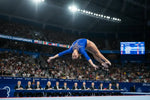
Level up your floor routine by mixing killer tumbling with amazing choreography and the right gymnastics floor music. Focus on precision and artistry to captivate judges and leave the crowd cheering.
Elevating Your Floor Performance with Gymnastics Floor Routine Tips
Reaching your highest potential in gymnastics requires dedication, technical precision, and artistic vision. When it comes to floor routines in gymnastics, achieving the ideal balance of athletic power and artistic grace is the ultimate goal. A truly compelling routine seamlessly blends high-flying tumbling passes with expressive choreography, capturing the judges' attention and captivating the audience from the opening pose to the final bow.
If you are striving to excel in this captivating aspect of the sport, elevating your performance demands attention to detail across every layer of your routine. From honing foundational techniques to choosing high-quality gymnastics floor music, here is an expert guide of gymnastics floor routine tips to help you build a standout floor exercise that scores high and leaves a lasting impression.
1. Focus on Fundamental Technique and Form
The foundation of any award-winning floor routine lies in the absolute precision of your technique and the elegance of your execution. While big tumbling skills often draw the most applause, judges scrutinize the details: pointed toes, fully extended knees, upright chest positions, and controlled landings.
Master the Basics: Invest dedicated training hours into perfecting fundamental elements, including leap amplitude, body alignment during turns, and core stability during tumbling passes.
Emphasize Fluidity: Ensure that every transition movement—from an acrobatic pass into a dance sequence—is fluid, intentional, and controlled, displaying both physical power and artistic serenity.
Utilize Visual Feedback: Regularly practice in front of a mirror or film your routines during practice. Video analysis provides invaluable visual feedback, allowing you to pinpoint minor form breaks, alignment issues, or landing adjustments before competition day.
Seamlessly transitioning between high-impact tumbling and delicate artistic expression is what separates good gymnasts from great ones. Storytelling through movement allows you to showcase your individuality and make a memorable connection with the judging panel.
Your choreography should highlight your physical strengths—whether you excel at dynamic, explosive leaps or long, lyrical lines. Consider collaborating with an experienced choreographer who understands current rulebooks and elite scoring requirements. Together, you can experiment with varied dance styles, rhythmic changes, and dramatic pauses to craft a routine that reflects your unique personality and artistic flair.
3. Strategically Select the Best gymnastics floor music
Music is the heart and rhythm of your floor routine, setting the emotional tone, pace, and energy for your entire performance. Choosing high-quality music isn't just about picking a song you like; it’s a strategic decision that directly influences your artistry and execution scores.
The right music complements your natural rhythm, provides clear cues for tumbling setups, and accentuates dynamic dance beats. When searching for the ideal track to match your style, consider these high-impact options:
High-Energy Tracks: Upbeat selections like Neon Adrenaline Techno EDM gymnastics floor music inject an electrifying vibe into your routine, making it the perfect choice for powerful tumblers who excel at fast-paced, high-intensity choreography.
Lyrical and Classical Tracks: Options such as The Grand Virtuoso Piano Lyrical gymnastics floor music are ideal if you want an elegant, fluid presentation. Lyrical gymnastics floor music leaves room for delicate, expressive movements, dramatic line extensions, and emotive storytelling.
Dramatic and Symphonic Tracks: For a grand, dramatic performance, Unleash Electric Storm Symphonic gymnastics floor music offers rich orchestral depth and symphonic dynamism that amplifies the magnitude of high-flying acrobatics.
Official Governing Bodies & Competition Compliance
Our floor music tracks are arranged to help gymnasts satisfy time limits, artistry requirements, and music guidelines set by major national and international gymnastics federations. Always verify your final routine length and current vocal/song regulations with your governing organization before competing:
4. Condition Your Body for Athletic Explosiveness and Flexibility
Building an impressive routine that combines grace and power requires exceptional physical conditioning, endurance, and flexibility. Floor routines are physically demanding, requiring peak cardiovascular performance alongside instant bursts of explosive energy.
Targeted Strength and Plyometrics: Incorporate functional strength training and plyometric drills—like depth jumps and bounding exercise—into your daily training to boost explosive power off the spring floor.
Flexibility and Artistry Training: Supplementary cross-training like ballet or yoga improves toe point, hip flexibility, and body posture, giving your routine an extra level of polish and poise.
Routine Stamina: Practice full routines back-to-back toward the end of practice sessions. Building stamina ensures that your final tumbling pass and closing dance sequence look just as sharp and effortless as your opening moves.
Elite athletic performance relies as much on mental preparation as it does on physical training. Visualization is a proven mental technique used by top gymnasts to enhance focus, reduce pre-competition nerves, and build unwavering muscle memory.
Take time each day to mentally rehearse your routine from start to finish. In your mind, picture every detail: hearing the first note of your gymnastics floor music, feeling the spring of the floor mat, sticking every landing cleanly, and completing your performance with confidence. Pair this visualization with positive self-talk to build mental resilience, ensuring that when you step onto the competition floor, your execution feels automatic.
Frequently Asked Questions (FAQ)
1. What are the key elements to focus on for fundamental technique in a floor routine?
To master fundamental technique, focus on the details that judges closely scrutinize: pointed toes, fully extended knees, upright chest positions, and controlled landings. Dedicate training time to leap amplitude, body alignment during turns, and core stability during tumbling passes.
2. How can I improve transition movements and identify form errors?
Transitions between acrobatic passes and dance sequences should be fluid, intentional, and controlled. You can identify and correct minor form breaks, alignment issues, or landing adjustments by using visual feedback—such as practicing in front of a mirror or reviewing video recordings of your practice sessions.
3. How do I choose the right choreography for my floor routine?
Your choreography should showcase your individuality and highlight your physical strengths, whether you excel at explosive leaps or lyrical lines. Experiment with different dance styles, rhythmic changes, and dramatic pauses. Collaborating with an experienced choreographer can help ensure your routine aligns with current rulebooks and scoring requirements.
4. How does music selection impact a gymnastics floor routine?
gymnastics floor music sets the emotional tone, pace, and energy of your performance. Strategic music choice directly influences your artistry and execution scores by complementing your natural rhythm, offering timing cues for tumbling setups, and highlighting dance beats. Options include:
High-Energy Tracks (e.g., Techno/EDM): Best for fast-paced, explosive tumblers.
Lyrical and Classical Tracks (e.g., Piano Lyrical): Ideal for fluid, expressive movements and dramatic line extensions.
Dramatic and Symphonic Tracks: Perfect for grand, high-impact orchestral performances.
5. What physical conditioning is required for a standout floor routine?
Floor routines require a combination of cardiovascular endurance, explosive power, and flexibility:
Strength & Plyometrics: Use drills like depth jumps and bounding exercises to improve power off the spring floor.
Flexibility & Cross-Training: Incorporate ballet or yoga to improve toe point, hip flexibility, and posture.
Stamina: Practice full routines back-to-back near the end of training sessions so your final tumbling pass remains strong.
6. How does mental visualization help improve floor routine performance?
Visualization enhances focus, builds muscle memory, and reduces pre-competition nerves. Mentally rehearsing your entire routine daily—picturing every detail from hearing the first note of music to sticking clean landings—helps ensure your execution feels automatic on competition day.
Elevate Your Floor Routine Today
Achieving the perfect synthesis of power, grace, and artistry on the floor exercise is a challenging yet deeply rewarding journey. With consistent technical training, strategic conditioning, expressive choreography, and the ideal gymnastics floor music, you can transform your routine into a winning performance that captivates judges and spectators alike.
For more coaching insights, routine building guides, and premium track selections, explore the full article collection at the Gymnastics Tracks Blog to find the sound and knowledge that brings your routine to life.
Want to nail a flawless floor performance? You need to mix expressive choreography with powerful tumbling, then tie it all together using the best gymnastics...
Avoid Floor Exercise Pitfalls And Boost Performance
Wanna nail your next routine? Avoid major slip-ups by picking the best gymnastics floor music, nailing your transitions, and boosting your strength to impress the...
Essential Skills for a Winning Gymnastics Floor Routine
Ready to crush your next gymnastics floor routine? Learn how to mix powerful tumbling with gorgeous dance skills and music to totally captivate the judges....
Common Mistakes in Gymnastics Floor Routines and How to Avoid Them
Want to level up your gymnastics floor routines? Avoid common mistakes like choppy moves and bad gymnastics floor music. Pick high energy tracks and focus...
Is your floor music almost perfect, but just not "competition-ready"?
Whether your track is too long, the transition feels clunky, or the audio quality isn't hitting the rafters, we’re here to help. At Gymnastics Tracks, you don’t need to be a previous customer to benefit from our expertise. We offer professional gymnastics music editing services for any track, regardless of where you purchased it.