
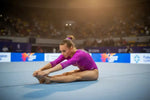
Dynamic Stretching For Floor Routines And Pan American Gymnastics
, 6 min reading time
, 6 min reading time
Floor routines are one of the most expressive and technically demanding events in gymnastics. They require a powerful blend of strength, flexibility, endurance, musicality, and mental focus. To perform at your peak—and reduce the risk of injury—an effective warm‑up is non‑negotiable. The right warm‑up routine primes your muscles, sharpens your coordination, and prepares your mind for competition.
“A good warm‑up is the first step toward a great routine.” — Every Good Gymnastics Coach
Below is an expanded, SEO‑optimized guide to essential warm‑up techniques specifically designed for gymnastics floor competitions.
Dynamic stretching is the foundation of any effective gymnastics warm‑up. Unlike static stretching, dynamic movements actively engage muscles and joints, increasing circulation and improving range of motion.
Leg swings (front‑to‑back and side‑to‑side) to activate hip flexors and hamstrings
Arm circles to warm up shoulders for tumbling and expressive choreography
Torso twists to prepare the core for rotational movements
Walking lunges with reach to open hips and lengthen stride patterns
Dynamic stretching not only enhances flexibility but also reduces the likelihood of strains during explosive tumbling passes.
A short burst of cardio elevates your heart rate, increases blood flow, and warms up the entire body. This is especially important for floor routines, which demand sustained energy and quick transitions.
Skipping rope
Jogging in place
Light jumping jacks
High knees or butt kicks
These movements loosen joints, activate fast‑twitch muscle fibers, and prepare your body for high‑impact skills.
Mental and physical rehearsal is a powerful tool for competitive gymnasts. Walking through your routine helps reinforce muscle memory, refine timing, and reduce performance anxiety.
Leaps and jumps
Turns and pivots
Tumbling entry techniques
Dance transitions and expressive segments
Pairing your routine with the right music can elevate your performance. For high‑energy routines, consider Arena Rock Gymnastics Floor Music – “Stadium Anthem.” For emotional or dramatic choreography, Cinematic Piano Gymnastics Floor Music – “Crescendo of Chaos” offers a powerful backdrop.
When choosing music for your warm‑up routine or your official competition performance, it’s essential to ensure that your selections meet all time requirements and artistry guidelines set by your governing gymnastics organization. Our floor music tracks are professionally arranged to help gymnasts satisfy routine length limits, artistry expectations, and music regulations established by major national and international gymnastics federations. Always double‑check your final routine timing and current rules regarding vocals, sound effects, and musical composition with your federation before stepping onto the competition floor.
International Gymnastics Federation (FIG) : Sets global Code of Points standards for elite and international competitions.
USA Gymnastics (USAG) : Governs the Development Program (Levels 6–10) and Xcel divisions across the United States.
European Gymnastics : Oversees continental championship rules and technical regulations across Europe.
Pan American Gymnastics Union (PAGU/UPAG) : Manages regional competition standards for North, Central, and South America.
Gymnastics Canada (GymCan) : Establishes national rules and level requirements for Canadian competitive gymnasts.
British Gymnastics : Regulates UK national apparatus rules, music guidelines, and scoring criteria.
NCAA Women's Gymnastics : Governs collegiate floor exercise scoring, routine timing, and performance guidelines.
College Gymnastics Association (CGA) : The primary organization supporting collegiate men's and gymnastics programs.
A strong core is essential for maintaining balance, controlling landings, and executing tumbling passes with precision. Core activation exercises should be included in every warm‑up.
Planks (standard, side, and forearm)
Russian twists
Hollow body holds
Bicycle crunches
These movements engage the deep stabilizing muscles that support safe and controlled execution of floor elements.
Warm‑ups aren’t just physical—your mindset plays a major role in competition performance. Mental preparation helps reduce nerves and enhances concentration.
Visualization of each skill performed flawlessly
Deep breathing to regulate heart rate
Positive affirmations to build confidence
Short mindfulness moments to center your focus
A calm, confident mind allows your physical training to shine.
Dynamic stretching and cardio activation are essential because they prepare your muscles and joints for high‑impact movements.
Most gymnasts benefit from a 10–20 minute warm‑up, depending on routine difficulty and personal needs.
A full‑out run isn’t necessary. A focused walkthrough of key elements is more effective and prevents fatigue.
A strong core improves balance, stability, and control—especially during tumbling passes and landings.
Absolutely. The right music enhances timing, expression, and overall presentation, helping you stand out in competition.
Preparing for a floor competition requires a holistic approach—one that blends physical readiness with mental clarity. By incorporating dynamic stretching, cardio activation, core work, and focused mental preparation, you set the stage for a powerful, polished, and injury‑free performance.
Explore more gymnastics resources, tips, and floor music selections at Gymnastics Tracks.

Gymnastics Tracks is launching a new YouTube channel to share elite gymnastics floor music secrets and professional music production insights. Check out gymnastics tracks youtube...
Gymnastics Tracks is Now on YouTube: Experience the Rhythm of the Sport
Crush your next gymnastics routine by leveling up your technical execution and picking the ultimate gymnastics floor music that totally fits your vibe. Stand out...
How to Improve Gymnastics Floor Scores: Strategies for Stronger Performances and Higher Marks
Want to nail your gymnastics routine and secure a perfect landing every time? Boost your scores by focusing on smart warm ups, precise footwork drills,...
Gymnastics Tips For A Perfect Landing
In the world of gymnastics, floor routines offer athletes the unique opportunity to express themselves through movement and music. These routines are not only athletic...
Cultural Influences In Gymnastics Floor RoutinesClassical & Dramatic Gymnastics Floor Music custom cut to all competition lengths. 100% Satisfaction Guaranteed!

$89.99

$89.99

$89.99

$89.99

$89.99