
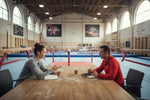
Comment améliorer la planification des événements pour les compétitions de gymnastique féminine
, 5 min temps de lecture
, 5 min temps de lecture
Women's gymnastics is a sport that captivates audiences with its blend of athleticism, grace, and artistry. However, behind the scenes, the scheduling of gymnastics events presents unique challenges. The need to accommodate various competitions, practice sessions, and individual athlete needs requires careful planning and coordination. In this blog post, we will delve into some of the common scheduling issues in women's gymnastics and propose solutions to address them.
One of the primary challenges is securing a venue that meets all competitive requirements. Gymnastics events often have to compete for space with other sporting events and community activities. This can lead to restricted access to appropriate facilities, which can hinder both practice and competition.
For many gymnasts, balancing training with academic commitments is a significant challenge. Overly packed schedules can lead to burnout and increased risk of injury. Prioritizing athlete well-being through guidelines established by health organizations like the National Athletic Trainers' Association (NATA) is crucial for maintaining performance levels and longevity in the sport.
Many young gymnasts participate in multiple sports, making it necessary to coordinate schedules to avoid conflicts. This requires communication and flexibility from coaches and event planners to accommodate the diverse interests of these athletes.
To overcome venue limitations, it may be beneficial to engage in collaborative event planning. By sharing facilities with other sports or community events and holding joint events, it is possible to maximize venue usage and minimize scheduling conflicts.
Creating more flexible training schedules can help manage athlete workload. By incorporating structured recovery periods and consulting athlete wellness frameworks from bodies like USA Gymnastics (USAG), coaches can maintain high performance while preventing physical and mental exhaustion.
Technology plays a crucial role in modern event management. Utilizing sports management tools and competition software platforms like MeetMaker allows athletes, coaches, and event directors to streamline registration, publish live updates, and anticipate calendar overlaps before they arise.
Music is integral to gymnastics, especially in floor routines where it enhances the performance’s artistic expression. Choosing the right track can help set the tone and support the athlete's rhythm, execution score, and artistic evaluation under FIG Code of Points guidelines.
Effective scheduling in women's gymnastics is essential for maximizing athlete performance and ensuring the smooth operation of events. By addressing scheduling challenges through collaboration, flexible planning, and the use of technology, we can support the growth and success of gymnastics programs.
To explore a full catalog of royalty-compliant floor exercise tracks, visit Gymnastics Tracks.
Scheduling women's gymnastics events can be difficult due to various factors, including the availability of gym facilities, conflicts with local sports leagues, and managing multi-session rotations across different age groups and skill levels.
The competition calendar is critical since many regional meets coincide with national qualifier dates listed on official schedules such as the USAG Events Calendar. Organizers must carefully coordinate timelines to avoid overlapping major competitions.
Athlete well-being is essential to avoid burnout and overuse injuries. Proper scheduling allows for adequate recovery time, which is heavily emphasized in sports psychology resources provided by organizations like the Association for Applied Sport Psychology (AASP).
Technology enhances event scheduling by offering automated calendar tools, real-time push notifications, and centralized management portals that reduce administrative error and keep parents, judges, and coaches aligned.
Regional differences influence scheduling due to varying state high school association rules, local school district holiday breaks, and facility availability. Organizers must adapt event dates to maximize regional participation.
Organizers can promote fairness by rotating session start times, balancing warm-up periods, and managing travel distances for visiting clubs—similar to scheduling standards implemented in NCAA Women's Gymnastics.
Adopting staggered flight schedules, block-time warmups, and digital check-ins helps streamline meet flow. Regular feedback from coaches and club directors helps refine these scheduling practices over time.
Establishing dedicated event portals, email newsletters, and mobile messaging channels ensures that last-minute schedule adjustments are communicated instantly to all participants.
Local community involvement helps organizers secure larger venues, recruit volunteers, and partner with local businesses for sponsorship, leading to better-organized events and smoother logistics.

Boostez vos routines avec une musique de sol de gymnastique K-Pop pleine d’énergie de Gymnastics Tracks. Avec des beats percutants et des transitions dramatiques, ces...
Fais vibrer ta routine avec la musique de sol de gymnastique de K Pop
La musique de sol de gymnastique hip-hop prend le contrôle de partout les routines. Ce style apporte une énergie énorme et une ambiance de danse...
Pourquoi la musique de sol de gymnastique hip-hop est tellement populaire
Améliore tes scores en maîtrisant la précision des routines au sol et en utilisant une super musique de gymnastique au sol. Regarde des exercices d’entraînement...
Entraînements pour améliorer la précision de routine au sol
Réussis ta prochaine routine de sol en gymnastique en maîtrisant les bons appuis. Avoir de bons appuis te donne une stabilité essentielle et des transitions...
Maîtriser les déplacements au sol dans les routines des gymnastesClassical & Dramatic Gymnastics Floor Music custom cut to all competition lengths. 100% Satisfaction Guaranteed!

$89.99

$89.99

$89.99

$89.99

$89.99